Algeria has a place to take in Africa 

February 14, 2019

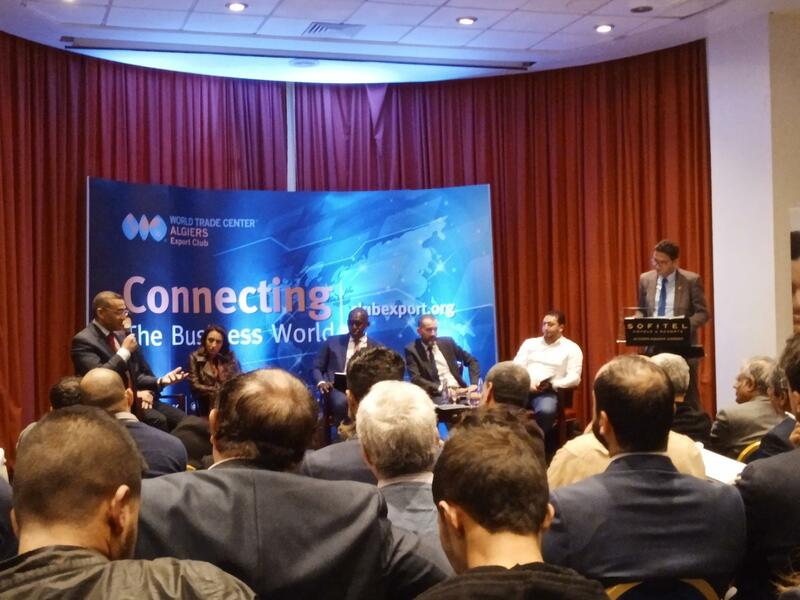
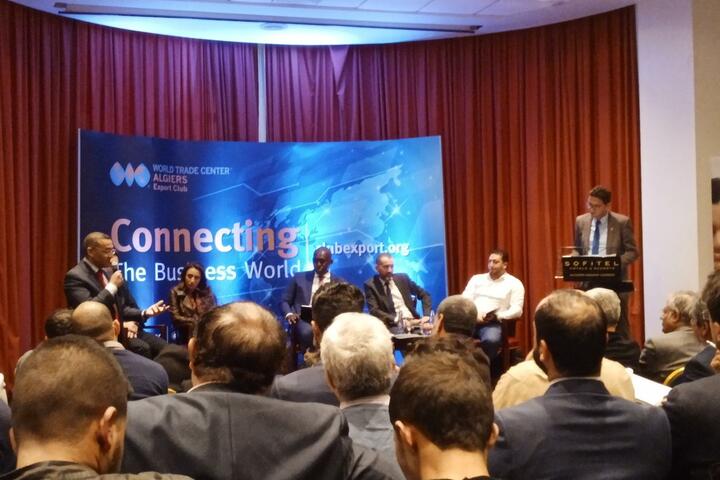
"Frontier of investors", as described by the CEO of the WTC Algiers, Africa is capable of increasing foreign direct investment. Speaking at the 14th meeting of the WTCA Export Club, dedicated to the "deployment of Algerian companies in Africa", Ahmed Tibaoui sees in the African market, a great opportunity to boost Algerian exports.

The approach, he comments, requires an "efficient strategy". In his eyes, Africa is also a continent to be in, citing statistics from the African Development Bank, the continental growth expectations is more than 4%. In the mining sector, Africa has one-third of the world's reserves. Bruno Messerschmitt, partner lawyer in charge of Africa, presented the Ernst and Young (EY) 2018 report , notes that last year was a "turning point in African development" citing, among other things, a 6% increase in FDI, the arrival of new foreign investors who are hitting behind historic investors, the emergence of profitable sectors in the long term such as construction, industry and renewable energies as well as strengthening the resilience of the African economy. The prospects are also good. With a GDP of 2,700 billion dollars (billion dollars), which should reach 20,000 billion dollars in 2050, equivalent to that of the European Union, and a population that should reach 2.5 billion inhabitants, Africa stands at the rand of one of the most promising markets in the world.
From Algeria, the report highlights the comparative advantages of Algerian exports, which will guarantee greater integration into the African market. "Algerian investors and entrepreneurs have a place to take," notes the head of Ernest and Young. And added: "the main issues for the Algerian investor are support, financing arrangements, repatriation and exchange control". In terms of FDI, Algeria gained two places in 2017 with 24 direct investments in Africa against 17 investments in 2016, notes the same firm.

Logistics: a big snag

The first foreign investors in Africa in 2017, the report points out, were respectively the United States (130 projects), Great Britain (72 projects), France (61), China (54), Germany ( 39), Switzerland (30), South Africa (29). Like all markets, Africa's is not risk-free.
In his presentation, Mr Messerschmitt indicates that the most risks are of a macroeconomic nature, to which is added the informal markets which, according to him, represents between 40 and 60% of Africa's GDP, the lack of infrastructure, particularly in sub-Saharan Africa. insecurity, tax harassment, governance, high dependence on raw materials, as well as the lack of basic infrastructure in general and especially in logistics and electrification. "Only half of the annual needs of $ 100 billion of infrastructure investment in Africa is covered," the speaker said.


Speaking at the debates, Mrs Sihem Mokrani, in charge of economic cooperation at the Ministry of Foreign Affairs, assured that Algerian diplomatic representations in Africa are doing their best to inform national operators about investment opportunities in the continent. The department she represents is working to set up a digital platform bringing together all the regional and international institutions responsible for facilitating intra-African trade.
 Dsc7361

More News

Export Club Meeting at Zibans Gardens: A Landmark

December 8, 2024 - On November 26th, 2024, the Export Club of the World Trade Center Algiers convened at the breathtaking Zibans Gardens in the historic city of Biskra for a pivotal meeting focused on alternative financing solutions and the region's economic development. The event brought together top business leaders, financiers, and regional stakeholders to discuss ways to foster growth in Algeria, with a particular emphasis on the role of leasing in financing business ventures. Alternative Financing Through Leasing: Insights from Mr. Mohammed Nazim Bessayeh The meeting featured a comprehensive presentation by Mr. Mohammed Nazim Bessayeh, Head of Financing at Société Générale Algeria, who is widely regarded as one of the most prominent and influential bankers in the country. Mr. Bessayeh’s extensive experience in the Algerian banking sector gave him a unique perspective on the potential of alternative financing methods. His in-depth discussion of leasing as an innovative financial instrument offered invaluable insights into how businesses can benefit from this model. A notorious figure in Algeria’s banking world, Mr. Bessayeh has built a reputation for his expertise in financial strategies that cater to the needs of local businesses while aligning with international best practices. His presentation focused on how leasing could serve as an effective solution for businesses in Algeria, particularly in regions where access to traditional financing options is more limited. Leasing, he explained, allows companies to acquire assets without the heavy burden of upfront capital expenditures, thus enabling them to scale their operations more efficiently and manage cash flow better. His remarks were particularly timely given Algeria’s current economic context, where non-traditional financing avenues are increasingly becoming key drivers of business development. The session sparked an engaging conversation about how leasing could become a central tool for entrepreneurs and companies looking to grow in Algeria’s evolving marketplace. The Zibans Gardens Project: A Vision for Biskra’s Future The event also showcased the ambitious Zibans Gardens Project, a transformative development that is set to make a lasting impact on the city of Biskra. Presented by Mr. Ali Serraoui, a major businessman and investor in the region, the Zibans Gardens Project aims to turn Biskra into a major economic hub in southern Algeria. The project encompasses a wide range of world-class facilities, including luxury hotels and resorts, a shopping center, a tourism and cinema academy, and football training facilities. This landmark development is designed to position Biskra as a central point for tourism, leisure, and entertainment, contributing significantly to the diversification of the city’s economy. Mr. Serraoui, who is known for his strategic investments in the region, emphasized the importance of such a large-scale project in stimulating the local economy, creating jobs, and attracting both domestic and international investors. The Zibans Gardens development is poised to provide a major boost to Biskra’s infrastructure, offering new opportunities for businesses and residents alike. Mr. Ahmed Tibaoui’s Address: Emphasizing the Importance of Investment in Biskra The event concluded with an inspiring address from Mr. Ahmed Tibaoui, CEO of the World Trade Center Algiers and a member of the World Trade Centers Association (WTCA) Board. Mr. Tibaoui expressed his heartfelt gratitude to the sponsors of the meeting, Société Générale and Aquapalm, for their continued support of the Export Club's initiatives. He acknowledged the significant role that these partnerships play in fostering a business-friendly environment across Algeria. In his speech, Mr. Tibaoui underscored the strategic importance of investing in cities like Biskra, which offer a unique mix of untapped potential and favorable investment conditions. He highlighted the role of projects like Zibans Gardens in fostering regional economic development, creating jobs, and improving infrastructure. Mr. Tibaoui also stressed that such investments would contribute to Algeria’s broader efforts to diversify its economy and enhance its global competitiveness. Conclusion: A Bright Future for Biskra and Algeria’s Business Landscape The Export Club meeting at Zibans Gardens was a resounding success, providing valuable insights into alternative financing options and showcasing one of the most ambitious development projects in southern Algeria. As Biskra embarks on a new era of growth and investment, the collaboration between key business leaders, financial institutions like Société Générale, and regional stakeholders will be critical to realizing the city’s full potential. With visionary leaders like MrAli SERRAOUI, the backing of significant projects like the Zibans Gardens development, and continued support from sponsors like Société Générale and Aquapalm, Biskra is poised to become a beacon of economic and cultural prosperity in southern Algeria. The Export Club's efforts to promote alternative financing models, such as leasing, are sure to play a pivotal role in this transformation, setting the stage for a dynamic and sustainable business landscape in the region. Read More

A Gathering of Global Maritime Leaders at Interna

November 14, 2024 - On November 4, 2024, Algiers hosted a landmark event in the global maritime sector—the International Maritime Economy Conference, centered around the theme *"Navigating Towards the Future."* The conference brought together maritime professionals, policymakers, and international experts from a diverse array of nations, emphasizing the industry's critical role in shaping global trade, environmental sustainability, and technological innovation in the years to come. This year's conference was a pivotal moment for Algeria and the broader maritime community, providing a unique platform for high-level discussions on the future of the maritime economy, technological advancements, and the sustainable development of the shipping and logistics sectors. Held in the vibrant city of Algiers, the event highlighted Algeria's growing importance as a maritime hub in the Mediterranean and beyond. In his remarks, Mr. Ahmed Tibaoui, CEO of the World Trade Center Algiers, emphasized the importance of positioning Algeria as a leading player on the international stage. He stated, "It is imperative to give Algeria a prominent place on the international scene as an entry point and hub for Africa in the maritime and port sectors, to meet the expectations of national economic operators." This statement highlights Algeria’s strategic vision to strengthen its role as a key maritime and logistics gateway, not only for North Africa but for the broader African continent. Mr. Tibaioui's perspective aligns with the conference's overarching theme of positioning Algeria at the forefront of global maritime trade and infrastructure development. The conference attracted distinguished participants from various corners of the world, including experts from international maritime organizations, leading shipping companies, and influential policymakers. Among the key speakers and attendees were: Mr. Jan Hoffmann, Head of Logistics at the United Nations Conference on Trade and Development (UNCTAD), who offered insights into the future of global logistics and the role of digital transformation in reshaping maritime trade. Professor Norman Martinez, Director of the International Maritime Law Institute (IMO-IMLI), who provided a critical perspective on the evolving regulatory landscape and the role of maritime law in guiding the industry's development. Mrs. Eleonore Modde, Director of FONASBA (the Federation of National Associations of Shipbrokers and Agents), who discussed the importance of collaboration and cooperation between national and international shipping organizations to address the challenges facing the maritime industry. Mr. Panos Xenokostas, President of Greek Shipyards and CEO of ONEX, a prominent figure in the global shipbuilding industry, who shared his vision for the future of shipbuilding and the integration of cutting-edge technologies into the maritime sector. The presence of Mr. Samir Boumati, CEO of DP World El Djazair, underscored Algeria’s growing influence in the global logistics and port operations sector. DP World El Djazair, a key player in the country's maritime infrastructure, has been instrumental in improving Algeria's port capabilities and enhancing its connectivity with international trade routes. Mr. Boumati's participation reflected Algeria's commitment to strengthening its maritime and trade relations on the global stage. Mr. Abdelkarim Rezal, a well-respected figure from Algeria's Ministry of Transport, was a key contributor to the conference. Known for his extensive expertise and his influential role in shaping Algeria’s maritime policies, Mr. Rezal shared his insights into the country's strategies for improving port infrastructure, enhancing maritime safety, and fostering sustainable growth in the transport sector. The overarching theme of the conference, *"Navigating Towards the Future,"* highlighted the need for innovation and adaptation to emerging trends such as digitalization, sustainability, and the shift towards greener shipping practices. Discussions ranged from the impact of artificial intelligence and blockchain on supply chain efficiency to the role of green technologies in reducing carbon emissions within the maritime industry. The conference also explored the maritime sector’s response to global challenges, such as the implementation of international regulations on emissions reduction, port modernization efforts, and the integration of sustainable practices into shipbuilding and operations. This theme was particularly resonant in the context of Algeria’s ambitions to position itself as a regional leader in maritime logistics and port development. One of the most significant takeaways from the International Maritime Economy Conference was the emphasis on international cooperation. The maritime economy, by its very nature, is a global endeavor that requires constant collaboration among various stakeholders—from governments and regulators to shipping companies, port operators, and industry associations. The presence of such a diverse range of international experts and organizations underscored the importance of dialogue and shared knowledge in advancing the interests of the global maritime sector. Algeria’s hosting of the event demonstrated the country’s commitment to playing a central role in shaping the future of global trade and maritime policy. The International Maritime Economy Conference in Algiers was an undeniable success, bringing together maritime professionals, innovators, and policymakers to chart a course for the future of the industry. Through collaboration, exchange of ideas, and the sharing of best practices, the conference underscored the importance of innovation, sustainability, and cooperation in navigating the challenges and opportunities that lie ahead for the maritime economy. As the conference concluded, the collective message was clear: the future of the maritime industry is one of transformation and opportunity, driven by technological advances and a renewed focus on sustainable practices. With Algeria at the heart of these discussions, the event marked a significant step forward in strengthening the global maritime community and ensuring that the industry is well-positioned for the challenges and opportunities of tomorrow. Read More